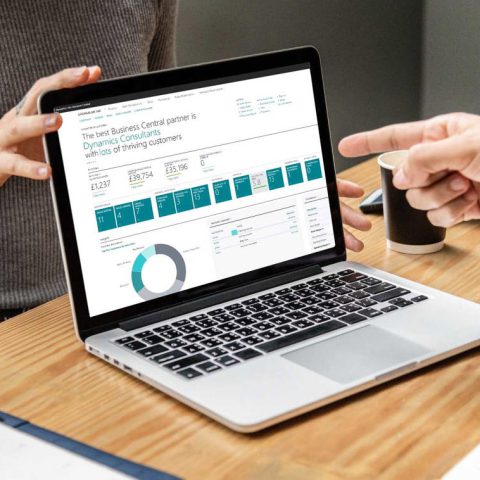
For decades, Excel has been the go-to tool for corporate budgeting. Its flexibility and familiarity made it indispensable. However, as businesses grow and financial processes become more complex, Excel’s limitations—manual data entry, version control issues, lack of real-time collaboration, and error-prone formulas—can hinder efficiency and accuracy. Microsoft Dynamics 365 Business Central offers a modern, integrated solution that can eliminate the need for Excel in budgeting altogether.
Centralized Financial Data
Business Central consolidates financial data from across the organization into a single, unified platform. This eliminates the need to manually gather and reconcile data from multiple spreadsheets. Budgeting teams can access real-time financials, historical data, and forecasts directly within the system, ensuring consistency and reducing the risk of errors caused by outdated or mismatched data.
Streamlined Budget Creation and Approval
With Business Central, budgeting becomes a structured, collaborative process. Users can create budget templates tailored to their organization’s needs, assign responsibilities, and track progress—all within the platform. Approval workflows ensure that budgets are reviewed and validated systematically, replacing the chaotic email chains and versioning issues common with Excel-based budgeting.
Integration with Power BI and Excel (When Needed)
While Business Central aims to replace Excel for core budgeting tasks, it doesn’t isolate users from familiar tools. Its seamless integration with Power BI allows for advanced data visualization and analytics, while Excel integration enables users to export data for ad hoc analysis when necessary. This hybrid approach ensures a smooth transition for teams accustomed to Excel while promoting the adoption of more robust tools.
Scenario Planning and Forecasting
Business Central supports dynamic scenario planning and forecasting, allowing finance teams to model different business outcomes based on real-time data. Unlike Excel, which requires manual updates and formula adjustments, Business Central automates these processes, enabling faster and more accurate decision-making.
Auditability and Compliance
One of the major drawbacks of Excel is its lack of audit trails. Business Central provides full traceability of changes, approvals, and user actions, which is critical for compliance and internal controls. This transparency not only improves governance but also builds confidence in the budgeting process.
Scalability and Collaboration
As organizations scale, Excel becomes increasingly cumbersome. Business Central is designed to support growing businesses with multi-user access, role-based permissions, and cloud-based collaboration. Teams across departments and geographies can work together in real time, reducing bottlenecks and improving alignment.
Conclusion
While Excel will always have a place in business operations, it’s no longer the best tool for corporate budgeting. Microsoft Dynamics 365 Business Central offers a smarter, more integrated approach that enhances accuracy, collaboration, and strategic planning. By eliminating Excel from the budgeting process, organizations can unlock greater efficiency and make more informed financial decisions.